
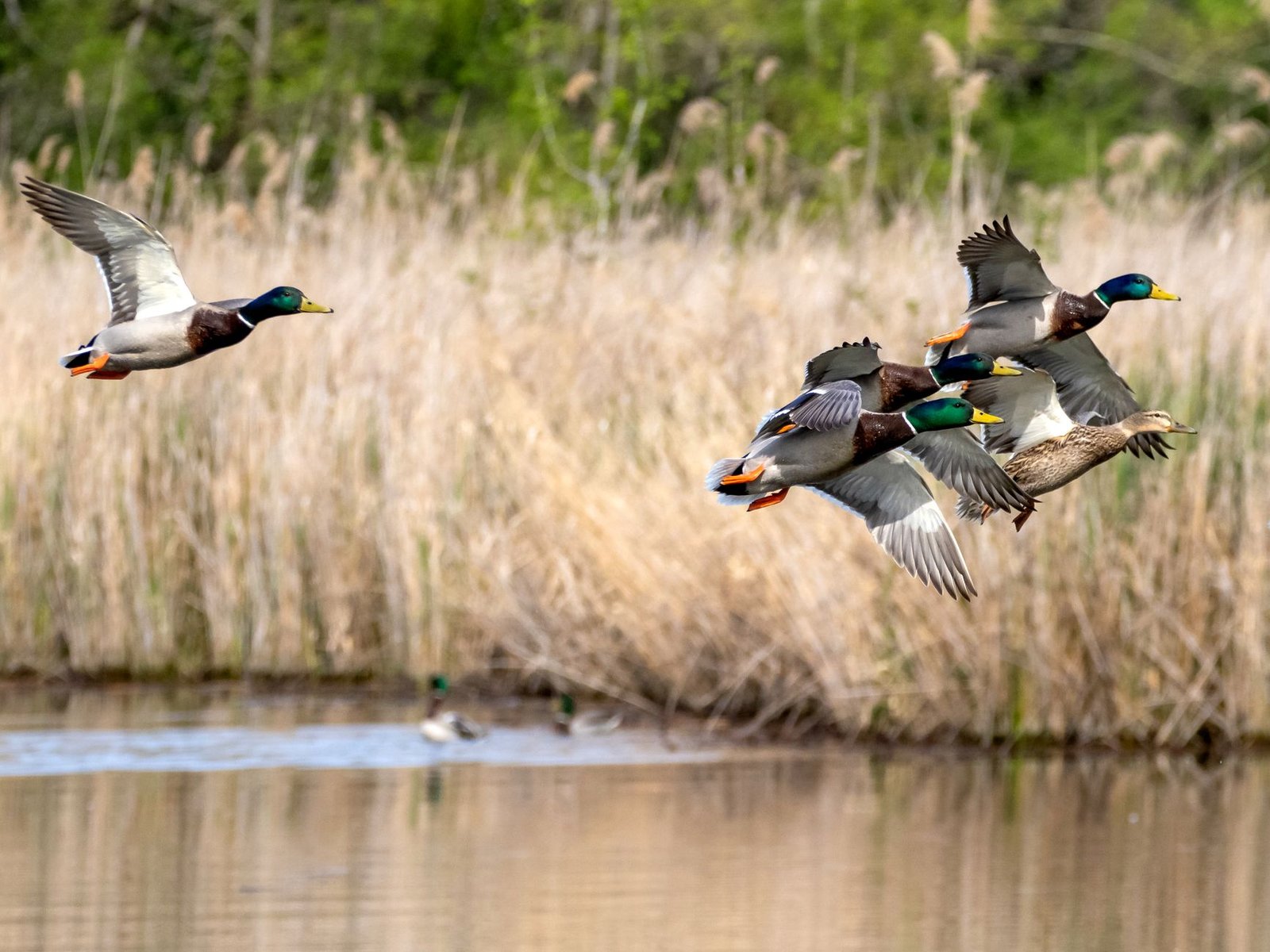
By the third week of October, the big Canada honkers staging on Beaverhill Lake and the pea fields east of Tofield have put most Alberta waterfowlers well into their possession limits. That’s the easy part. The hard part is the chest freezer: forty skin-on mallard breasts and a stack of goose fillets that will, in most households, get turned into the same three recipes until someone quietly stops eating them. Curing fixes that. A properly dry-cured goose breast eats like prosciutto with a darker, beefier edge, and a cured mallard breast sliced paper-thin is one of the best things you can make from a bird shot over a Camrose-area barley field. It also happens to be one of the easier charcuterie projects to get right — if you respect the salt math and the food safety rules. Get sloppy with either and you’re gambling with botulism, which is not a figure of speech.
Safety note: Hunting and firearms laws change and differ by location. Confirm current rules with official sources, and handle firearms and bows only with proper training and licences. See our legal notice. Outdoor activities carry real risk of serious injury or death. Check official conditions and regulations before you go, and do not rely on one piece of gear for your safety.
Which Birds Are Worth Curing
Big, dark-fleshed breasts cure best. Canada goose is the top candidate — the breasts off a mature honker from the Hanna or Brooks grain belt are thick enough to develop real depth during the hang, and the slightly livery flavour that puts people off roasted goose mellows dramatically under salt and time. Mallard, pintail, and canvasback all cure well. Lesser geese like Ross’s and snows work too, though snow goose breasts run leaner and can finish dry.
Skip divers that have been feeding on fish — a bufflehead off Buffalo Lake will taste like a bufflehead no matter how long it hangs. Skip badly shot-up breasts as well. Channels left by shot pellets create interior voids where cure penetration is uneven, and uneven cure is exactly the condition you’re trying to avoid. Pick your cleanest, most intact fillets for the cure and grind the rest into sausage.
One practical note from the field-to-fridge chain: federal migratory bird regulations require that a fully feathered wing or the head remain attached to migratory game birds during transport until they reach your residence. Breast your birds accordingly, and remember that waterfowl hunting in Canada requires non-toxic shot — pull any steel or bismuth pellets you find during trimming.
The Dry Cure Ratio: Weigh, Don’t Guess
Forget recipes that say “cover the meat in salt.” The modern standard is equilibrium curing, where you weigh the meat and apply an exact percentage of salt and curing salt by weight. The meat absorbs everything you apply, so it physically cannot become over-salted, and timing becomes forgiving instead of critical.
The numbers that matter:
- Salt: 2.5% to 3% of the meat’s weight. Use 2.5% for duck, 2.75-3% for thick goose breasts. Fine sea salt or kosher salt, not iodized table salt.
- Curing salt (Prague Powder #1): 0.25% of meat weight. This is the pink nitrite salt, and for whole-muscle projects hanging a few weeks, it is the correct product. Cure #2, which contains nitrate, is for salami and long-aged whole muscles hanging months.
- Sugar: 0.5% to 1%, optional. Rounds out the salt. Brown sugar or maple sugar both suit waterfowl.
So a 400 g goose breast gets 10-12 g salt, 1 g Prague Powder #1, and roughly 3 g sugar. You need a scale that reads to 0.1 g for the curing salt — a $20 jeweller’s scale from any Edmonton or Calgary kitchen supply store does the job. Eyeballing pink salt is the single most dangerous shortcut in home charcuterie. Too little and you lose your botulism protection; too much and nitrite itself becomes toxic. Weigh it every time.
Aromatics are a free play: cracked black pepper, juniper (fitting, since juniper grows wild across Alberta’s southern coulees), thyme, garlic powder, crushed bay. They sit on the surface and flavour the exterior, so be generous.
The Initial Cure: Five to Ten Days in the Fridge
Mix your measured cure, coat every surface of the breast, and seal it — a vacuum bag is ideal because it holds the cure and the purged liquid tight against the meat, but a zip-top bag with the air pressed out works. Into the fridge at 4°C or below.
Duck breasts need 5 to 7 days. Thick goose breasts need 7 to 10. With equilibrium ratios, an extra few days hurts nothing, which matters when you’re splitting time between the cure fridge and a late-season layout blind near Stirling Lake. Flip the bag daily so the brine that forms redistributes.
When the cure is done, the meat should feel noticeably firmer, like a partially frozen steak. Rinse it briefly under cold water, pat it thoroughly dry, and give it a fresh coat of cracked pepper or your spice mix. Some people skip the rinse; don’t — surface salt crust interferes with even drying.
Hanging: Temperature and Humidity Are the Whole Game
Target conditions for the drying phase are 10-15°C and 70-80% relative humidity. That window dries the meat slowly enough that the interior keeps pace with the surface.
Too dry or too warm and you get case hardening — a leathery sealed exterior trapping a wet core, which is both a texture failure and a safety problem, because that moist anaerobic centre is where trouble lives. Too humid and surface bacteria and bad moulds take over.
Your options, roughly in order of reliability:
- A dedicated curing chamber. A used wine fridge or frost-free bar fridge off Kijiji, an Inkbird ITC-308 temperature controller, an Inkbird IHC-200 humidity controller, a small ultrasonic humidifier, and a cheap hygrometer to verify. Total build cost sits around $250-350 and it will hold the window year-round.
- Your regular fridge. Colder (around 4°C) and drier than ideal, so drying runs slower and the exterior can harden, but it is unquestionably safe. Wrap each breast in a single layer of cheesecloth to buffer the dry air and expect to add a week or more to the timeline.
- An unheated room in winter. Here’s where Alberta geography actually helps. A November garage in Lethbridge or an insulated porch in Athabasca often sits naturally in the 5-12°C band for weeks. The catch is swing: a chinook can push a southern Alberta garage from -5°C to +14°C inside a day. If you hang in an unconditioned space, check a min/max thermometer daily and move the meat to the fridge if temperatures climb past 15°C.
Hang the breasts wrapped loosely in cheesecloth, spaced apart for airflow, tied with butcher’s twine. Never touching each other, never touching a wall.
Curing Times and the 30% Rule
Time is a guideline; weight is the answer. Weigh each breast after the salt cure and write the number on a tag. The meat is done when it has lost 30-35% of that post-cure weight. A 350 g duck breast finishes around 230-245 g. In a proper chamber that takes roughly 2 to 3 weeks for duck and 3 to 5 weeks for goose. In a household fridge, add 50% to those estimates.
At 30% loss the centre is still slightly supple and the slices are tender. Push to 35-40% for a firmer, more concentrated result that keeps longer. Under 30%, the water activity in the core may still support bacterial growth — don’t call it early because it looks done outside.
White, powdery surface mould is generally benign and wipes off with a vinegar-dampened cloth. Fuzzy green, black, or any wet, slimy growth means that piece goes in the garbage. Smell is your final gate: cured waterfowl should smell like concentrated roast duck and spice. Anything sour, sulphurous, or off gets tossed. No cured meat is worth a hospital stay.
Botulism: Why the Pink Salt Is Non-Negotiable
Clostridium botulinum spores are common in soil and on wild game, and they thrive in exactly the environment curing creates: low oxygen, moderate temperature, moisture. The toxin they produce is among the most lethal substances known, and contaminated meat can look and smell completely normal.
Your protections, stacked:
- Nitrite. Prague Powder #1 at 0.25% directly inhibits botulinum. “Nitrate-free” curing of hung meat is a trend worth ignoring entirely for wild game.
- Salt at full ratio. 2.5% minimum. Don’t cut it for sodium reasons — eat less of the finished product instead.
- Weight loss to 30%+, which drops water activity below what the organism needs.
- Cold chain discipline from the field on. Birds shot during a warm September opener near Frank Lake need to be cooled fast; meat that sat warm in a blind bag all afternoon is sausage meat, not charcuterie meat.
Two more Alberta-relevant cautions. Highly pathogenic avian influenza has circulated in North American wild waterfowl in recent years — wear gloves when breasting birds, don’t harvest birds that appeared sick or behaved abnormally, and wash up thoroughly, since curing is a raw preservation method with no cook step. And freezing your breasts first (two weeks or more at -18°C, which most hunters do anyway between the season and the project) adds a parasite-control margin at no cost. As a general wild-foods rule: identify with multiple expert sources before consuming. Misidentification can be fatal.
Serving and Storage
Slice as thin as your knife allows, across the grain, at fridge temperature. Cured goose breast with old cheddar and a strong mustard is the correct answer at deer camp in WMU 334. Finished pieces keep vacuum-sealed in the fridge for a month or more, and freeze well for a year. Once a piece is cut, wrap the cut face and use it within a couple of weeks.
Hunting requires Alberta Hunter Education certification + valid licence + appropriate tag. This article is informational only. Waterfowl additionally require the federal Migratory Game Bird Hunting Permit with the Wildlife Habitat Conservation Stamp, alongside your Alberta game bird licence.
Important: Verify Current Rules
Season dates, bag and possession limits, non-toxic shot requirements, and transport rules for migratory birds change. Confirm current Alberta and federal regulations at alberta.ca/hunting before you hunt or process birds.
General information only, not professional advice. Details can change or contain errors, so check with the manufacturer or an official source before you rely on them. Use of this site is subject to our Disclaimer and Terms of Service.